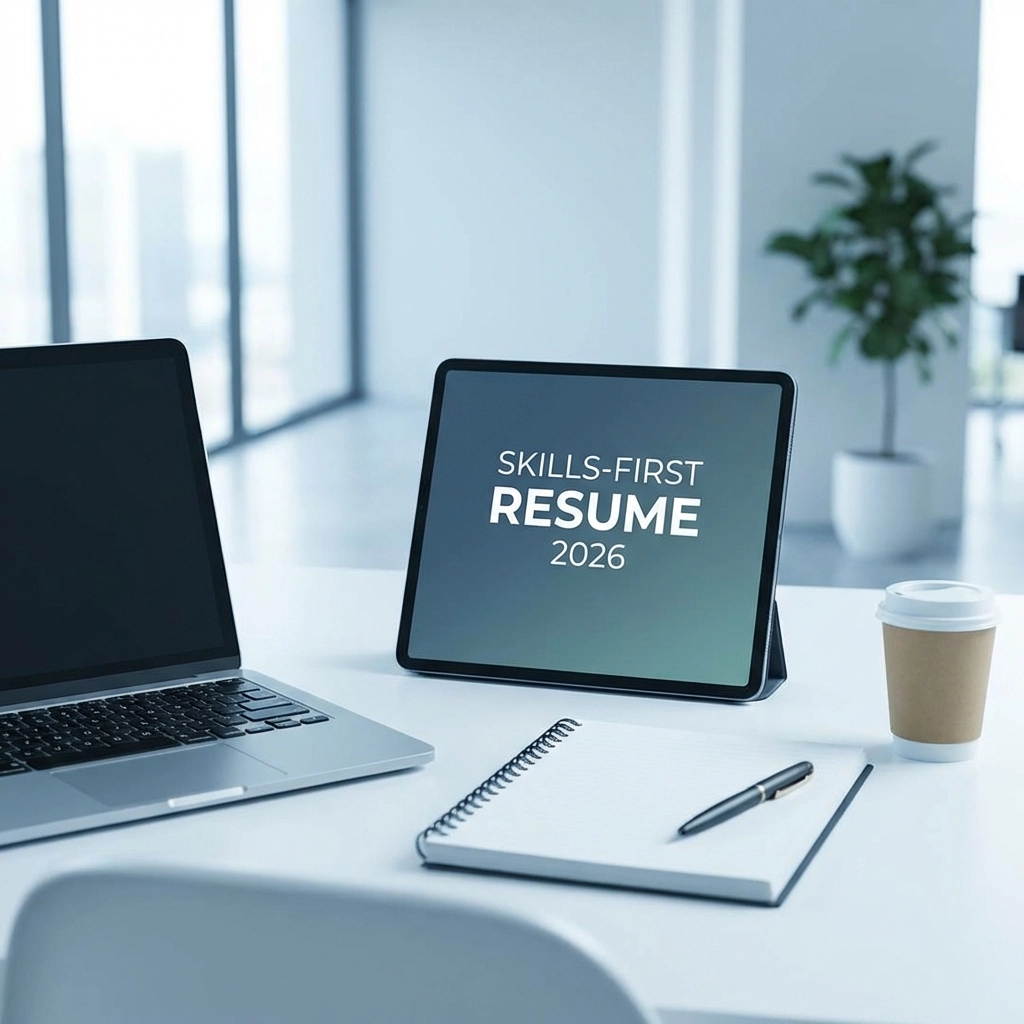
The resume game has officially changed, and if you’re still leading with your college graduation year, you’re already behind. Welcome to the era of skills-first resumes: the hiring revolution that’s reshaping how executive-level professionals showcase their value and land their next big opportunity.
Here’s what’s happening: nearly two-thirds of employers are now prioritizing what you can actually do over where you went to school or how impressively your job titles read on paper. This isn’t just another HR trend that’ll disappear by next quarter. This is a fundamental shift that’s expanding the talent pool by up to 20 times and creating opportunities for professionals who know how to position themselves strategically.
If you’re ready to understand why everyone from Fortune 500 companies to innovative startups is talking about this approach: and more importantly, how to leverage it for your own career advancement: read on.
The Perfect Storm: Why Skills-First Hiring Is Here to Stay
Three powerful forces are driving this transformation, and they’re not slowing down anytime soon.
First, there’s a massive skills gap across industries. Companies desperately need specialized expertise that traditional four-year degrees simply aren’t providing. While universities were teaching theory, the business world was racing ahead with AI integration, digital transformation, and emerging technologies that require hands-on competency, not textbook knowledge.
Second, the cost of hiring mistakes has become impossible to ignore. When a bad executive hire can cost a company hundreds of thousands of dollars in lost productivity, failed initiatives, and team disruption, employers are getting laser-focused on actual capability rather than impressive-sounding credentials.

Third, and perhaps most exciting for job seekers, this approach dramatically expands who gets considered for top-level positions. Skills-based hiring taps into professionals from non-traditional backgrounds who learned their expertise through different pathways: whether that’s military experience, entrepreneurial ventures, international careers, or simply being self-taught masters of their craft.
The bottom line? Employers are finally asking the right question: “Can you solve this problem?” instead of “Where did you go to school fifteen years ago?”
What Makes Skills-First Resumes Different (And Why It Matters)
Traditional resumes follow a predictable formula: contact information, professional summary, work experience in reverse chronological order, education, and maybe some skills thrown in at the end as an afterthought. Skills-first resumes flip this entire structure on its head.
Instead of burying your most valuable assets at the bottom of page two, you’re leading with demonstrated ability through concrete evidence. This means your resume becomes a compelling case study of what you can deliver, backed by measurable results and real-world applications.
Here’s what this looks like in practice:
Real-world projects take center stage. Rather than listing job duties like “Managed cross-functional teams,” you’re showcasing specific initiatives: “Led digital transformation project that increased operational efficiency by 34% across three departments, resulting in $2.3M annual cost savings.”
Certifications and credentials are strategic, not decorative. Instead of listing every professional development course you’ve ever taken, you’re highlighting certifications that directly tie to measurable business impact and the specific challenges your target role needs to solve.
Portfolio pieces and work samples become your secret weapon. Whether it’s a strategic plan you developed, a process improvement you implemented, or a crisis you successfully navigated, you’re providing tangible proof of your capabilities.

The key difference? Every element of your skills-first resume answers the employer’s underlying question: “What specific value will this person bring to our organization on day one?”
How to Build Your Skills-First Resume (The Strategic Approach)
Creating a skills-first resume isn’t about rearranging your existing content: it’s about fundamentally rethinking how you present your professional value. Here’s your step-by-step framework:
Start with skills mapping. Before you write a single word, identify the core competencies your target role absolutely requires. Study job descriptions, industry reports, and company challenges to understand exactly what skills are driving results in your field right now.
Build your evidence arsenal. For each key skill, gather specific examples that demonstrate measurable impact. Don’t just claim you’re a “strategic leader”: prove it with the turnaround project you led, the market expansion you executed, or the team transformation you orchestrated.
Structure for impact, not tradition. Your skills-first resume might open with a “Core Competencies” section that immediately showcases your most relevant abilities, followed by “Key Achievements” that provide concrete evidence, then work experience that supports (rather than leads) your narrative.
Quantify everything possible. Revenue generated, costs reduced, efficiency improvements, team size managed, timelines accelerated: numbers tell the story that job titles never could.

Customize ruthlessly. Generic resumes are career killers in the skills-first era. Every application should highlight the specific competencies and achievements most relevant to that particular opportunity.
The goal isn’t just to list what you’ve done: it’s to paint a vivid picture of what you can accomplish for your next employer.
The Hidden Benefits: Why Skills-First Works for Everyone
Here’s what’s really exciting about this trend: employees hired through skills-based methods consistently show stronger job satisfaction, better performance, and longer tenure. When there’s a clear match between what someone can actually do and what the role requires, everyone wins.
For you as a job seeker, this approach levels the playing field in powerful ways. Your unique combination of skills, experiences, and perspectives becomes your competitive advantage rather than a potential barrier. Whether you’re changing careers, returning to work after a break, or competing against candidates with different educational backgrounds, skills-first positioning allows your actual capabilities to shine.
Organizations benefit from improved retention rates, increased innovation through diverse skill sets, and reduced hiring costs. When companies focus on developing existing talent rather than constantly recruiting externally, they create more opportunities for internal advancement and career growth.
But here’s the crucial caveat: skills assessment only reduces bias and delivers results when skills are clearly defined, tied to real work, and assessed objectively for every candidate. Companies that test for skills but then make final decisions based on traditional credentials anyway are missing the entire point: and the competitive advantage.

Your Next Move: Positioning Yourself for Success
The skills-first revolution isn’t coming: it’s here. The question isn’t whether you should adapt your approach, but how quickly you can position yourself to capitalize on this trend.
Start by auditing your current resume through the skills-first lens. What concrete evidence of your capabilities are you showcasing? How clearly do you demonstrate the specific value you bring? Are you making it easy for employers to envision the impact you’ll have from day one?
Remember, this isn’t about diminishing the value of your education or experience: it’s about amplifying your potential by leading with what matters most in today’s competitive landscape: your ability to drive results.
The professionals who embrace skills-first positioning now will have a significant advantage as this trend continues to accelerate throughout 2026 and beyond. Your unique expertise, proven capabilities, and measurable achievements are ready to take center stage.
Ready to transform your resume into a skills-first success story? At Executive Level Resume, we specialize in helping professionals like you navigate career transitions with confidence and strategic positioning. Get started today and discover how the right approach can set you apart in an increasingly competitive market.
Your next executive-level opportunity is waiting: and with a skills-first resume, you’ll be ready to seize it.